
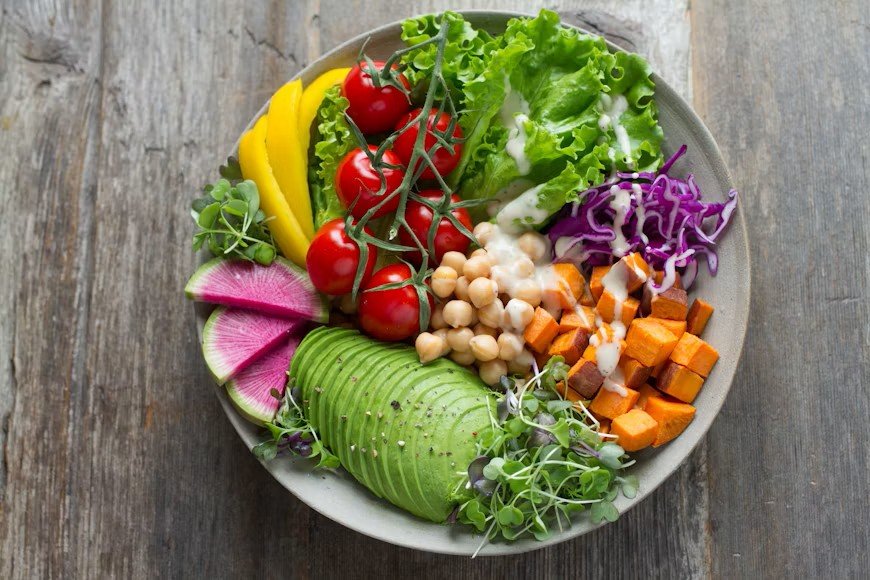
Eating healthy does not mean following a strict diet or completely changing your lifestyle overnight. In many cases, the best results come from small, consistent changes that become part of your daily routine.
Healthy eating habits can help support your energy levels, improve your relationship with food, and provide your body with the nutrients it needs to function properly. Simple choices like adding more vegetables to your meals, drinking enough water, and planning your food ahead can make a meaningful difference over time.
In this article, we will explore 10 healthy eating habits that can help you create a more balanced lifestyle. Whether you are trying to improve your nutrition, maintain a healthy weight, or simply feel better every day, these practical tips can help you take the first steps toward better eating habits.
1. Eat More Whole Foods
 Whole foods are foods that are close to their natural form and have not been heavily processed. They provide important nutrients such as vitamins, minerals, fiber, and antioxidants that support overall health.
Examples of whole foods include fruits, vegetables, whole grains, beans, lentils, nuts, seeds, eggs, fish, and lean meats.
Adding more whole foods to your meals can help you make healthier choices without needing complicated diets. For example, choosing brown rice instead of refined rice, eating fresh fruit instead of sugary snacks, or adding vegetables to your lunch can gradually improve your daily nutrition.
Whole foods can also help you feel more satisfied after meals because many of them contain fiber and nutrients that support fullness. Over time, building meals around natural, nutrient-rich foods can become one of the most effective healthy eating habits for a balanced lifestyle.
Simple ways to include more whole foods in your daily meals include adding vegetables to your breakfast, choosing fruit as a snack, replacing refined grains with whole grains, and preparing more meals at home. These small changes can make healthy eating feel easier and more sustainable over time.
2. Add More Fruits and Vegetables to Your Meals
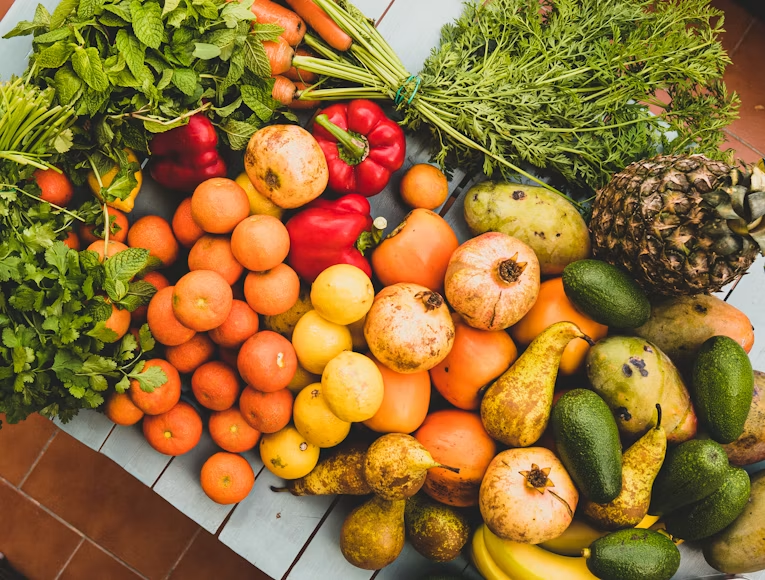 One of the most effective healthy eating habits you can develop is adding more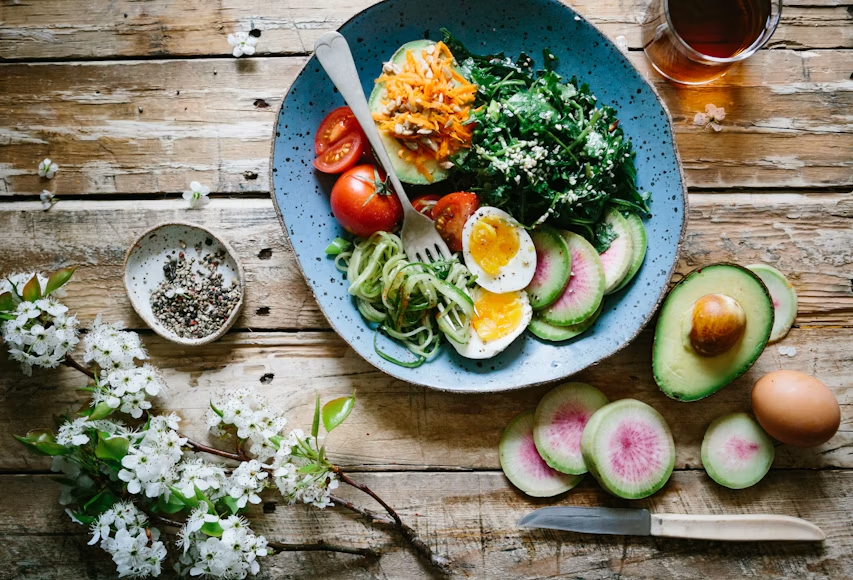
Paying attention to portion sizes can help you build more balanced meals without needing to count every calorie or follow strict food rules. The goal is not to eat as little as possible, but to become more aware of how much food feels satisfying for you.
Portion needs can vary from person to person depending on factors such as age, activity level, appetite, and overall lifestyle. Because of this, there is no single portion size that works perfectly for everyone.
A simple place to start is by building balanced meals. You can include vegetables or fruit, a source of protein, whole grains or another carbohydrate source, and a small amount of healthy fats. This approach can make meals more varied and satisfying.
It can also help to serve food on a plate or in a bowl rather than eating directly from a large package. This makes it easier to see how much you are eating and decide whether you are still hungry before taking more.
Try eating slowly and checking in with yourself during the meal. If you are comfortably satisfied, you may not need another serving. If you are still genuinely hungry, it is completely reasonable to eat more.
Restaurant meals and packaged foods can sometimes contain larger portions than you would normally serve at home. You can choose to save part of the meal for later or share it if that feels appropriate.
Healthy eating habits should support a balanced relationship with food, not create unnecessary restriction. Becoming more aware of portion sizes can help you make intentional choices while still enjoying the foods you like.
9. Include Sources of Unsaturated Fats
Fat is an important part of a balanced diet. Your body needs dietary fat for energy, cell function, and the absorption of certain vitamins. The type of fat you choose regularly can be just as important as the amount you eat.
A practical healthy eating habit is to include more foods that provide unsaturated fats. Examples include nuts, seeds, avocados, olive oil, and oily fish such as salmon, sardines, and mackerel.
You can make simple changes without completely changing your meals. For example, you might add a small handful of nuts or seeds to oatmeal, use avocado in a sandwich, cook with olive oil, or include fish as one of your protein choices during the week.
At the same time, it can be helpful to limit foods that are especially high in saturated fat, such as some fried foods, fatty processed meats, and certain baked goods. This does not mean these foods must be completely avoided. The overall pattern of your diet matters more than any single food.
Portion awareness is still useful because fats are energy-dense. A small amount of nuts, seeds, oil, or avocado can add flavor and nutrients to a meal without needing to become the largest part of the plate.
Rather than thinking of fat as something that should always be avoided, focus on choosing nutritious sources more often and combining them with vegetables, fruits, whole grains, and protein-rich foods.
Making these choices consistently can help create a varied and balanced eating pattern without unnecessary food restrictions.
10. Focus on Consistency, Not Perfection
What are the most important healthy eating habits?
Some of the most useful healthy eating habits include eating a variety of fruits and vegetables, choosing whole foods more often, including protein-rich foods in meals, drinking enough water, planning meals ahead, and paying attention to hunger and fullness cues. You do not need to change everything at once. Small improvements that you can maintain are usually more practical than strict short-term diets.
How can I start eating healthier?
Start with one or two simple changes. For example, add a vegetable to one meal each day, replace a sugary drink with water, or plan your meals before grocery shopping. Once those habits feel natural, you can gradually add new ones.
Do I have to give up my favorite foods to eat healthy?
No. A balanced eating pattern can include foods you enjoy. Rather than completely banning certain foods, focus on making nutritious foods the foundation of your diet while enjoying less nutritious choices occasionally and in reasonable amounts.
How long does it take to develop healthy eating habits?
There is no exact amount of time that applies to everyone. Building healthy eating habits depends on your routine, environment, goals, and the changes you are making. Instead of focusing on a deadline, aim to make small changes consistently until they become part of your normal routine.