
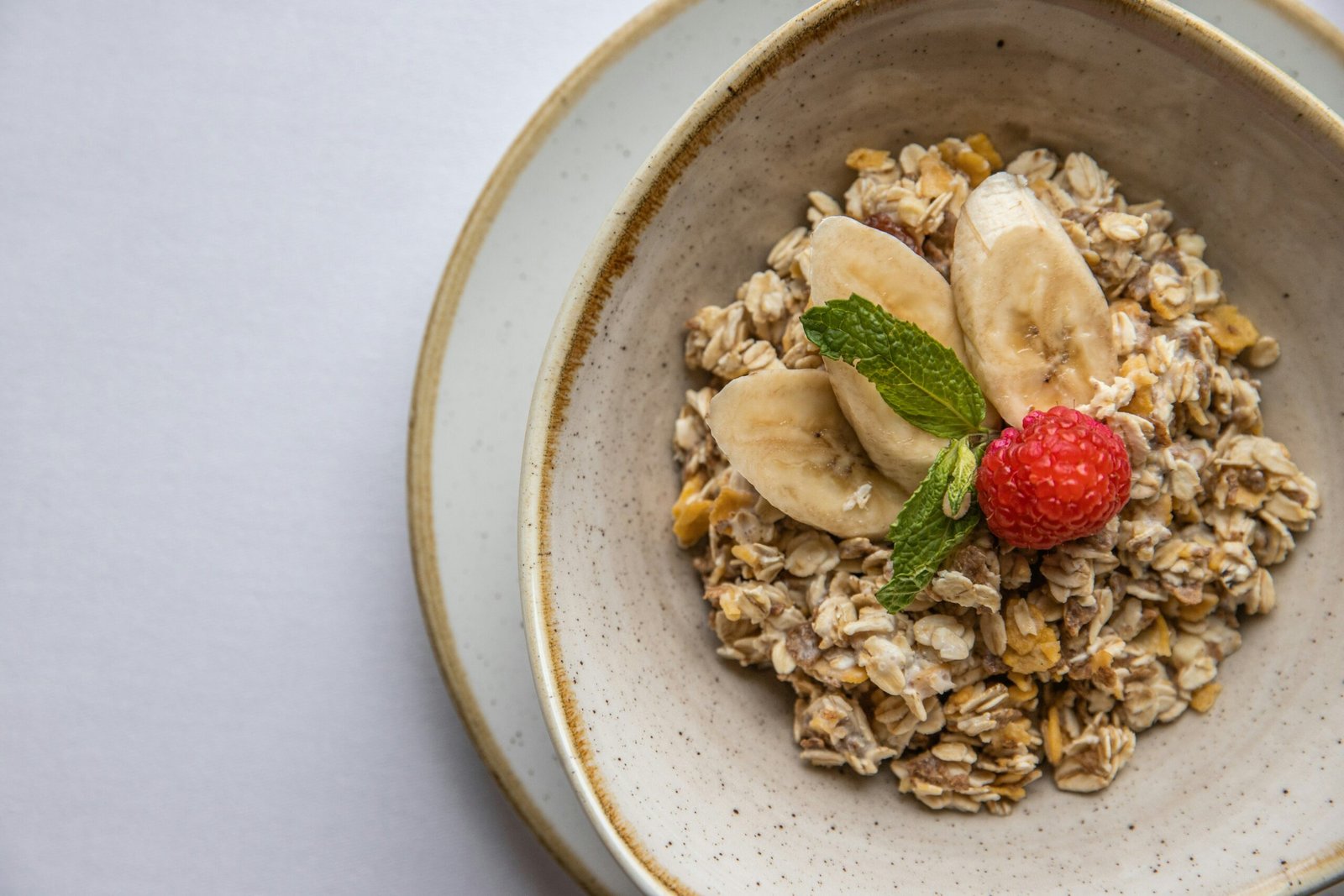
A high fiber high protein breakfast can make your morning meal more satisfying while helping you add important nutrients to your day.
Instead of relying on breakfast foods that provide mostly refined carbohydrates, combining protein-rich foods such as eggs, Greek yogurt, cottage cheese, beans, or tofu with fiber-rich foods such as oats, berries, chia seeds, lentils, and whole grains can create a more balanced breakfast.
Fiber helps regulate the body’s use of sugars and can help with hunger regulation, while research suggests higher-protein meals may increase feelings of fullness, although individual responses vary.
If you’re tired of eating the same eggs or oatmeal every morning, these 15 high-fiber high-protein breakfast ideas give you plenty of sweet and savory options.
Quick Comparison: High-Fiber High-Protein Breakfast Ideas
Nutrition numbers below are estimates based on typical ingredient portions. Exact values will vary depending on brands, serving sizes, and substitutions.
| Breakfast | Approx. Protein | Approx. Fiber | Prep Time |
|---|---|---|---|
| Berry chia overnight oats | 17-20g | 14-17g | 5 min + chill |
| Greek yogurt berry crunch bowl | 22-25g | 8-11g | 5 min |
| Black bean egg breakfast tacos | 22-26g | 10-14g | 15 min |
| Cottage cheese berry flax bowl | 25-28g | 6-8g | 5 min |
| Lentil and egg breakfast bowl | 24-27g | 10-12g | 10 min |
| Peanut butter banana oatmeal | 18-21g | 9-11g | 10 min |
| Tofu and black bean scramble | 25-30g | 10-13g | 15 min |
| Savory oatmeal with egg and edamame | 18-22g | 8-10g | 12 min |
| Quinoa yogurt apple breakfast bowl | 25-30g | 9-12g | 10 min |
| Berry chia breakfast smoothie | 18-22g | 11-15g | 5 min |
| Chickpea avocado toast with egg | 20-24g | 11-15g | 10 min |
| Skyr apple bran breakfast bowl | 25-30g | 10-14g | 5 min |
| Oat cottage cheese protein pancakes | 27-31g | 7-9g | 15 min |
| Tempeh sweet potato breakfast hash | 22-26g | 8-11g | 20 min |
| White bean spinach egg skillet | 20-24g | 7-10g | 15 min |
What Makes a Breakfast High in Fiber and Protein?
The FDA’s Daily Value for dietary fiber is 28 grams per day based on a 2,000-calorie diet. As a general labeling guide, 20% or more of the Daily Value per serving is considered high, which works out to about 5.6 grams of fiber.
For this roundup, we aimed for breakfasts providing roughly 6 grams or more of fiber and at least 15 grams of protein per serving.
The protein figure is an editorial benchmark rather than a universal requirement. Individual protein needs depend on factors such as age, body size, activity level, and overall diet.
Harvard’s Nutrition Source recommends getting fiber from a variety of foods, particularly whole grains, fruits, vegetables, legumes, nuts, and seeds.
Here are 15 practical ways to combine those foods at breakfast.
1. Berry Chia Overnight Oats
If you need breakfast ready before you wake up, this is one of the easiest options.
What You’ll Need
- 1/2 cup rolled oats
- 1 cup unsweetened soy milk
- 2 tablespoons chia seeds
- 1/2 cup raspberries or mixed berries
- 1/2 teaspoon cinnamon
- Optional drizzle of honey or maple syrup
How to Make It
Combine the oats, milk, chia seeds, and cinnamon in a jar. Stir well, refrigerate overnight, and add the berries before eating.
Estimated nutrition: about 17-20g protein and 14-17g fiber, depending on your milk and portions.
Chia seeds and berries make this considerably higher in fiber than plain overnight oats, while soy milk adds additional protein.
2. Greek Yogurt Berry Crunch Bowl
This takes less than five minutes and requires no cooking.
What You’ll Need
- 1 cup plain Greek yogurt
- 1/2 cup raspberries or blackberries
- 1/4 cup high-fiber whole-grain cereal
- 1 tablespoon chia seeds
- 1 tablespoon chopped almonds
How to Make It
Add everything to a bowl and serve immediately.
Estimated nutrition: approximately 22-25g protein and 8-11g fiber.
Choose plain yogurt when possible and add fruit for sweetness rather than relying on heavily sweetened flavored varieties.
3. Black Bean Egg Breakfast Tacos
Beans aren’t only for lunch and dinner. Adding them to breakfast is an easy way to combine plant protein and fiber.
What You’ll Need
- 2 eggs
- 1/2 cup black beans
- 2 small whole-grain tortillas
- Chopped tomato
- Spinach
- Salsa
- Optional avocado
How to Make It
Scramble the eggs, warm the beans, and divide everything between the tortillas.
Estimated nutrition: around 22-26g protein and 10-14g fiber.
The combination of eggs, beans, and whole grains makes these considerably more substantial than eggs alone.
4. Cottage Cheese Berry Flax Bowl
Cottage cheese provides plenty of protein without requiring any cooking.
What You’ll Need
- 1 cup cottage cheese
- 3/4 cup mixed berries
- 1 tablespoon ground flaxseed
- 1 tablespoon chopped walnuts
- Cinnamon
How to Make It
Add the cottage cheese to a bowl and top with the remaining ingredients.
Estimated nutrition: approximately 25-28g protein and 6-8g fiber.
For even more fiber, add a tablespoon of chia seeds or choose raspberries as your main fruit.
5. Lentil and Egg Breakfast Bowl
Lentils may not be a traditional breakfast food everywhere, but nutritionally they work extremely well.
What You’ll Need
- 3/4 cup cooked lentils
- 2 eggs
- Handful of spinach
- Chopped tomatoes
- Black pepper
- Paprika or chili flakes
How to Make It
Warm the lentils and spinach, then top with boiled, poached, or fried eggs.
Estimated nutrition: roughly 24-27g protein and 10-12g fiber.
If you’re trying to eat more legumes, this is one of the simplest ways to move them beyond soups and dinners.
6. Peanut Butter Banana Oatmeal
A basic bowl of oatmeal becomes more balanced when you add protein and fiber-rich toppings.
What You’ll Need
- 1/2 cup rolled oats
- 1 cup unsweetened soy milk
- 1 small banana
- 2 tablespoons natural peanut butter
- Cinnamon
- Optional tablespoon of chia or ground flax
How to Make It
Cook the oats in soy milk. Stir in the peanut butter and top with banana and cinnamon.
Estimated nutrition: about 18-21g protein and 9-11g fiber.
Adding chia seeds can increase the fiber further.
7. Tofu and Black Bean Breakfast Scramble
For a plant-based high fiber high protein breakfast, combine tofu with beans rather than relying on tofu alone.
What You’ll Need
- About 5 ounces firm tofu
- 1/2 cup black beans
- Spinach
- Bell pepper
- Onion
- Turmeric
- Black pepper
- 1 slice whole-grain toast
How to Make It
Crumble the tofu into a skillet, add the vegetables and seasonings, then cook until warmed through. Stir in the beans toward the end.
Estimated nutrition: approximately 25-30g protein and 10-13g fiber.
You can prepare the scramble ahead and refrigerate individual portions for busy mornings.
8. Savory Oatmeal With Egg and Edamame
Oatmeal doesn’t have to be sweet.
What You’ll Need
- 1/2 cup rolled oats
- 1 egg
- 1/2 cup shelled edamame
- Spinach
- Chopped tomato
- Black pepper
- Chili flakes
How to Make It
Cook the oatmeal with water or milk, then stir in the vegetables and edamame. Top with a cooked egg.
Estimated nutrition: around 18-22g protein and 8-10g fiber.
This is especially useful if you prefer savory breakfasts but still want the whole-grain fiber found in oats.
9. Quinoa Yogurt Apple Breakfast Bowl
Quinoa works surprisingly well as a breakfast grain.
What You’ll Need
- 3/4 cup cooked quinoa
- 3/4 cup plain Greek yogurt
- 1/2 chopped apple with skin
- 1 tablespoon almonds
- Cinnamon
- Optional chia seeds
How to Make It
Allow cooked quinoa to cool before combining it with yogurt. Add the apple, almonds, and cinnamon.
Estimated nutrition: approximately 25-30g protein and 9-12g fiber.
Cook a larger batch of quinoa in advance and keep it refrigerated to make this a five-minute breakfast.
10. Berry Chia High-Fiber Breakfast Smoothie
Smoothies can be filling when they contain whole fruit, protein, and seeds rather than fruit juice alone.
What You’ll Need
- 1 cup unsweetened soy milk
- 1/2 cup plain Greek yogurt
- 1 cup mixed berries
- 1 tablespoon chia seeds
- 1/4 cup rolled oats
- Handful of spinach
- Ice
How to Make It
Blend until smooth.
Estimated nutrition: approximately 18-22g protein and 11-15g fiber.
Keep the berries whole or frozen rather than replacing them with juice because whole fruits retain their dietary fiber.
11. Chickpea Avocado Toast With Egg
Avocado toast becomes a higher-protein breakfast when you add chickpeas and egg.
What You’ll Need
- 2 slices whole-grain bread
- 1/2 cup chickpeas
- 1/4 avocado
- 1 egg
- Lemon juice
- Black pepper
How to Make It
Mash the chickpeas and avocado together with a little lemon juice. Spread over the toast and top with the cooked egg.
Estimated nutrition: around 20-24g protein and 11-15g fiber.
For additional protein, use two eggs or add a thin layer of cottage cheese beneath the chickpea mixture.
12. Skyr Apple Bran Breakfast Bowl
Bran cereal is an easy way to increase breakfast fiber without making a complicated recipe.
What You’ll Need
- 1 cup plain skyr
- 1/2 cup high-fiber bran cereal
- 1/2 chopped apple
- 1 tablespoon pumpkin seeds
- Cinnamon
How to Make It
Combine everything in a bowl immediately before eating so the cereal stays crunchy.
Estimated nutrition: roughly 25-30g protein and 10-14g fiber.
Check cereal labels because fiber and added-sugar amounts differ considerably between brands.
13. Oat and Cottage Cheese Protein Pancakes
You don’t need a boxed protein pancake mix to make higher-protein pancakes.
What You’ll Need
- 1/2 cup rolled oats
- 1/2 cup cottage cheese
- 2 eggs
- 1/2 teaspoon baking powder
- Cinnamon
- 1/2 cup raspberries for serving
How to Make It
Blend the oats, cottage cheese, eggs, baking powder, and cinnamon until smooth. Cook small pancakes in a lightly greased skillet and serve with berries.
Estimated nutrition: approximately 27-31g protein and 7-9g fiber.
The oats and berries supply most of the fiber, while eggs and cottage cheese provide much of the protein.
14. Tempeh Sweet Potato Breakfast Hash
This plant-forward breakfast works particularly well for meal prep.
What You’ll Need
- 3 ounces tempeh
- 1 cup diced sweet potato
- Bell pepper
- Spinach or kale
- Onion
- Paprika
- Optional egg
How to Make It
Cook the sweet potato until tender, then add diced tempeh and vegetables. Season and cook until everything is lightly browned.
Estimated nutrition: about 22-26g protein and 8-11g fiber, depending on whether you add an egg.
Make two or three portions at once and refrigerate the extras.
15. White Bean Spinach Egg Skillet
White beans can turn a simple egg breakfast into a fiber-rich meal.
What You’ll Need
- 1/2 cup cooked white beans
- 2 eggs
- Spinach
- Mushrooms
- Chopped tomatoes
- Black pepper
- Optional whole-grain toast
How to Make It
Sauté the mushrooms, spinach, and tomatoes, add the beans, and cook until warmed. Top with eggs prepared however you prefer.
Estimated nutrition: approximately 20-24g protein and 7-10g fiber.
It is also an easy way to use leftover beans from another meal.
How to Build Your Own High-Fiber High-Protein Breakfast
You don’t have to follow a specific recipe every morning.
A simple formula is:
Choose 1 protein base + 1 whole grain or legume + 1 fruit or vegetable + 1 seed or nut.
For example:
- Greek yogurt + oats + raspberries + chia seeds
- Eggs + black beans + whole-grain toast + avocado
- Tofu + beans + vegetables + whole-grain tortilla
This approach also creates variety because different plant foods provide different types of dietary fiber.
For more ideas, read our guide to 25 High Fiber Foods for Better Digestion and Gut Health.
Easy Ways to Add More Fiber at Breakfast
If your usual breakfast is low in fiber, you don’t need to completely replace it. Small additions can make a meaningful difference.
You can add chia or ground flaxseed to oats and yogurt, swap refined bread for a whole-grain option, add berries or pears to cereal, include beans in savory breakfasts, or replace fruit juice with whole fruit.
The FDA recommends whole grains, fruits, vegetables, beans, peas, lentils, nuts, and seeds as practical ways to increase dietary fiber.
Increase fiber gradually if your current intake is low, and drink adequate fluids. A sudden large increase may cause digestive discomfort for some people.
Frequently Asked Questions
What breakfast has both high protein and high fiber?
Breakfasts that combine foods such as eggs, Greek yogurt, cottage cheese, tofu, or beans with oats, whole grains, berries, legumes, chia seeds, or vegetables can provide both protein and fiber.
A black bean egg breakfast taco, berry chia overnight oats, or Greek yogurt bowl with berries, chia, and high-fiber cereal are good examples.
Are eggs high in fiber?
No. Eggs provide protein but essentially no dietary fiber. Pair eggs with foods such as beans, vegetables, avocado, or whole-grain toast if you want a breakfast containing both protein and fiber.
Is oatmeal high in protein and fiber?
Oats provide fiber and some protein, but plain oatmeal may not provide as much protein as you want from a full breakfast. Cooking oats with soy milk and adding Greek yogurt, cottage cheese, peanut butter, chia seeds, or nuts can increase the protein content.
What can I add to breakfast for more fiber?
Easy options include berries, pears, apples with the skin, chia seeds, ground flaxseed, beans, lentils, avocado, whole-grain bread, bran cereal, and oats.
Can protein and fiber help keep you full?
Both can contribute to a satisfying meal. Fiber is associated with hunger regulation, while research suggests higher-protein meals may increase short-term feelings of fullness compared with lower-protein meals. The effect varies between people, and fullness also depends on total meal size, energy intake, fat content, and other factors.
The Bottom Line
A high fiber high protein breakfast does not have to be complicated.
Oats, berries, beans, lentils, whole grains, seeds, and vegetables can supply fiber, while eggs, Greek yogurt, cottage cheese, tofu, soy milk, and legumes make it easier to add protein.
Start with combinations you already enjoy. Berry chia overnight oats may work best for meal prep, while egg and bean tacos, tofu scramble, or a white bean skillet are good choices when you prefer a savory breakfast.
The goal is not to make every morning meal perfect. It is to build a breakfast that is nutritious, practical, and satisfying enough to fit your routine.
Sources
- Harvard T.H. Chan School of Public Health – Fiber
- Harvard T.H. Chan School of Public Health – Protein
- U.S. Food and Drug Administration – Daily Value and Nutrition Facts
Nutrition values in this article are estimates and may vary based on ingredient brands, portion sizes, and substitutions. This content is for general informational purposes and is not a substitute for personalized medical or nutrition advice.