
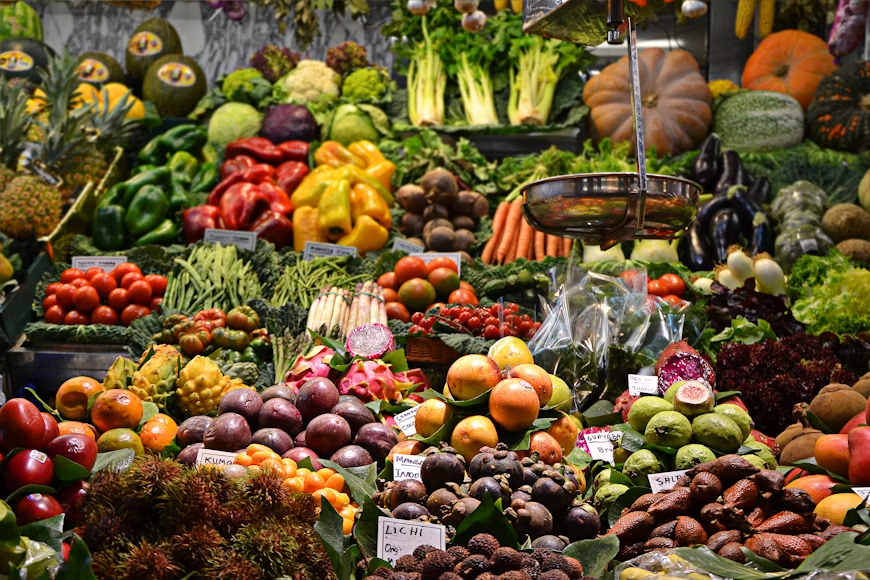
If you are looking for high fiber foods for digestion, you are taking one of the most effective, evidence-backed steps toward supporting your daily wellness. Modern diets often lean heavily on convenient, ultra-processed foods that strip out natural roughage. As a result, millions of people experience sluggish transit, irregular bowel habits, and afternoon energy slumps without realizing that a simple dietary adjustment could make a noticeable difference.
Why should you add more fiber-rich foods to your daily routine? Dietary fiber is unique among carbohydrates because the human body cannot break it down into simple sugar molecules. Instead of rapidly entering the bloodstream, it travels through your digestive tract, gently sweeping waste forward, drawing moisture into the colon, and feeding trillions of beneficial gut microbes. Incorporating a colorful variety of whole plant foods into your meals can support smooth digestion, promote sustained satiety, and provide the complex micronutrients your body needs to thrive.
In this comprehensive guide, Mavo Health explores the foundational science behind dietary fiber, breaks down the difference between soluble and insoluble fiber, and shares 25 delicious, accessible foods to help you build balanced, gut-friendly plates.
Editorial Note: Written by the Mavo Health Editorial Team. This article provides general nutrition information and practical food preparation ideas for educational purposes. It is not intended to replace professional medical advice, diagnosis, or personalized medical nutrition therapy.
What Is Dietary Fiber?
Dietary fiber consists of non-digestible complex carbohydrates and lignin found exclusively in plant cell walls. Unlike animal products—such as poultry, beef, seafood, eggs, and dairy, which naturally contain zero fiber—whole plant foods provide an intricate structural matrix designed by nature to resist human digestive enzymes.
When you consume simple carbohydrates like refined white flour or cane sugar, your small intestine quickly splits them into glucose, absorbing them directly into your bloodstream. Fiber is different. Because human gastric juices and pancreatic enzymes lack the biochemical tools to sever the chemical bonds in fiber, it passes through the stomach and small intestine largely intact.
Once it reaches the large intestine (colon), dietary fiber carries out its primary biological tasks: adding physical bulk to stool, absorbing water, and providing a fermentable food source for the resident microorganisms that comprise your gut microbiome. For this reason, choosing dietary fiber foods is considered a cornerstone of foundational digestive wellness.
Types of Fiber: Soluble vs Insoluble Fiber
Dietary fiber is broadly divided into two main categories: soluble fiber and insoluble fiber. While both are vital for digestive comfort, they function differently inside the digestive tract.
Soluble Fiber
Soluble fiber dissolves in water and gastrointestinal fluids to create a viscous, gel-like substance. This slow-moving gel coats the stomach lining, moderates the rate of gastric emptying, and buffers the absorption of dietary carbohydrates and cholesterol. In the colon, friendly anaerobic bacteria ferment soluble fibers into beneficial compounds known as short-chain fatty acids (SCFAs), notably butyrate, acetate, and propionate, which may help nourish the epithelial cells lining the intestinal wall.
Insoluble Fiber
Insoluble fiber does not dissolve in water. Often described as natural “roughage,” this form retains its physical structure throughout the intestinal journey. By absorbing water like a sponge and adding weight to digestive waste, insoluble fiber stimulates the mechanical muscular contractions (peristalsis) of the intestinal wall, helping food waste move along predictable, regular intervals.
| Type of Fiber | What It Does in the Body | Common Food Sources |
|---|---|---|
| Soluble Fiber Foods | • Dissolves into a viscous gel • Moderates gastric emptying and glucose absorption • Serves as fermentable fuel for gut bacteria |
Oats, barley, lentils, chia seeds, flaxseeds, black beans, apples, pears |
| Insoluble Fiber Foods | • Adds physical bulk to digestive stool • Attracts moisture to keep waste pliable • Promotes efficient, regular transit time |
Wheat bran, whole grain bread, broccoli, carrots, almonds, pumpkin seeds, potato skins |
Note: Almost all whole, unprocessed plant foods contain a natural blend of both soluble and insoluble fractions in varying ratios.
Benefits of Eating High Fiber Foods
Adding more foods high in fiber to your daily routine supports overall well-being in several distinct ways:
1. Supports Regular Digestion
Fiber is commonly associated with healthy digestion and comfortable bowel habits. Insoluble fiber increases stool mass and draws water into the waste, which may help keep stools soft, formed, and easy to pass. Concurrently, soluble fiber prevents stools from breaking apart, promoting comfortable, strain-free regularity.
2. Helps Create Balanced Meals
Fiber-rich ingredients typically require more chewing, which naturally paces your eating speed and allows satiety signals from the digestive tract to register with the brain. Furthermore, because fiber buffers digestion, it helps prevent rapid blood sugar spikes after meals, promoting steady, sustained physical energy throughout your day.
3. Helps Increase Variety in Your Diet
Focusing on dietary fiber encourages you to explore diverse botanical families: legumes, root vegetables, cruciferous vegetables, berries, ancient grains, nuts, and culinary seeds. Nutritional scientists frequently note that dietary diversity corresponds with a wider spectrum of protective micronutrients, such as magnesium, folate, potassium, and plant polyphenols.
4. Supports Gut Health
A significant portion of the soluble fiber you consume passes unabsorbed into the colon, where it acts as a prebiotic substrate for friendly bacteria. While fiber should never be described as a medicine that “heals” or “cures” digestive disease, maintaining a daily pattern centered on foods for better gut health ensures your microbiome receives the steady fuel it needs to maintain balance.
25 High Fiber Foods for Better Digestion and Gut Health
Below is a curated high fiber foods list featuring accessible, nutrient-dense grocery staples you can find at any local market:
1. Chia Seeds
Tiny black and white seeds from the Salvia hispanica plant that swell into a gel-like texture.
- Approximate Fiber Content: ~10 grams of fiber per 2-tablespoon serving (28g)
- Why People Include It: Chia seeds are among the most concentrated sources of soluble mucilage fiber available. When hydrated, they expand up to twelve times their dry weight, creating a soothing gel that promotes gentle stool passage and prolonged satiety.
- How to Eat It:
- Whisk into plant milk to create make-ahead overnight chia pudding
- Blend 1 tablespoon into morning fruit smoothies
- Stir into warm oatmeal or porridge as a natural thickener
2. Flaxseeds
Small golden or dark brown seeds celebrated for their balance of fiber and plant omega-3s.
- Approximate Fiber Content: ~4 grams of fiber per 2 tablespoons of ground flaxseed (14g)
- Why People Include It: Flaxseeds provide both soluble mucilage and insoluble lignans. It is best to purchase ground flaxseeds or grind whole seeds at home, as intact whole seeds often pass through the digestive system unabsorbed.
- How to Eat It:
- Fold ground flaxseed into pancake, muffin, or quick bread batters
- Dust over hot breakfast cereals or yogurt bowls
- Whisk with warm water as an egg substitute in plant-based baking
3. Oats
A whole-grain breakfast classic packed with a specific soluble fiber called beta-glucan.
- Approximate Fiber Content: ~4 grams of fiber per ½ cup of dry rolled oats (40g)
- Why People Include It: Oats are among the most popular high fiber breakfast foods. The beta-glucan in rolled and steel-cut oats forms a viscous layer in the digestive tract that slows glucose absorption and feeds beneficial microbes in the colon.
- How to Eat It:
- Make creamy overnight oats without yogurt soaked in almond or soy milk
- Simmer steel-cut oats on the stovetop with diced apples and cinnamon
- Pulse rolled oats into wholesome homemade energy bites
4. Lentils
A fast-cooking legume that supplies complex carbohydrates, plant protein, and essential trace minerals.
- Approximate Fiber Content: ~15.5 grams of fiber per 1 cup cooked (198g)
- Why People Include It: Lentils are budget-friendly, cook without advance soaking, and deliver an exceptional balance of both soluble and insoluble fibers that make meals deeply filling.
- How to Eat It:
- Simmer brown or green lentils with garlic, onions, and carrots into warming stews
- Toss cold cooked French green lentils with olive oil, lemon, and fresh herbs
- Puree red lentils into mild curries to add natural body and creaminess
5. Chickpeas (Garbanzo Beans)
A versatile, nutty legume that forms the backbone of Mediterranean and Middle Eastern cuisines.
- Approximate Fiber Content: ~12.5 grams of fiber per 1 cup cooked (164g)
- Why People Include It: Chickpeas contain slow-burning starches and prebiotic oligosaccharides that nourish beneficial gut bacteria while helping maintain steady energy levels between meals.
- How to Eat It:
- Blend with tahini, garlic, and fresh lemon juice into homemade hummus
- Roast whole chickpeas on a baking sheet with smoked paprika for a crunchy snack
- Toss rinsed canned chickpeas directly into leafy garden salads
6. Black Beans
Deeply pigmented legumes rich in protective antioxidant anthocyanins and dense plant fiber.
- Approximate Fiber Content: ~15 grams of fiber per 1 cup cooked (172g)
- Why People Include It: Black beans contain high levels of resistant starch, which bypasses small intestine digestion and undergoes slow, comfortable fermentation in the lower colon.
- How to Eat It:
- Combine with brown rice, salsa, and sliced avocado for balanced burrito bowls
- Puree with vegetable broth, cumin, and lime for an easy weekday black bean soup
- Mash lightly into seasoned black bean patties for plant-based burgers
7. Avocado
A unique creamy fruit composed predominantly of heart-healthy monounsaturated fats and dietary fiber.
- Approximate Fiber Content: ~10 grams of fiber per medium avocado (approx. 150g)
- Why People Include It: Unlike most sweet fruits, avocados provide sustained richness without simple sugars, delivering an approximate ratio of 30% soluble and 70% insoluble fiber.
- How to Eat It:
- Mash onto toasted whole grain sourdough with a squeeze of fresh lemon
- Dice into chilled grain salads, chili pots, or scrambled eggs
- Blend a quarter of a ripe avocado into fruit smoothies for an ultra-silky texture
8. Raspberries
Delicate, ruby-red berries containing hundreds of tiny, fiber-packed edible seeds.
- Approximate Fiber Content: ~8 grams of fiber per 1 cup fresh (123g)
- Why People Include It: Raspberries offer one of the highest fiber-to-calorie ratios in the plant kingdom, supplying vitamin C and natural antioxidants alongside gentle roughage.
- How to Eat It:
- Scatter fresh raspberries over morning cottage cheese or porridge
- Simmer briefly with chia seeds to create an easy fruit compote without refined sugar
- Enjoy fresh by the handful as an afternoon pick-me-up
9. Pears
A sweet, juicy orchard fruit rich in natural fructose, sorbitol, and pectin.
- Approximate Fiber Content: ~5.5 to 6 grams of fiber per medium unpeeled pear (178g)
- Why People Include It: Much of a pear’s insoluble fiber is concentrated in its skin. Pears also contain naturally occurring sorbitol, a sugar alcohol that helps retain water within the digestive tract.
- How to Eat It:
- Slice thinly and pair with raw walnuts and sharp cheese
- Poach whole pears gently with cinnamon and vanilla for a wholesome dessert
- Dice into warm morning oatmeal during the last few minutes of cooking
10. Apples
A crisp, widely accessible tree fruit renowned for its rich concentration of pectin.
- Approximate Fiber Content: ~4.4 grams of fiber per medium unpeeled apple (182g)
- Why People Include It: Apples contain soluble pectin in their flesh and insoluble cellulose in their peel, offering a balanced combination that supports regular digestive transit.
- How to Eat It:
- Slice raw and dip into natural peanut or almond butter
- Grate unpeeled apples into overnight oat mixtures for natural sweetness and moisture
- Bake with warming spices as a gentle, warm evening treat
11. Broccoli
A cruciferous vegetable packed with sulforaphane, vitamin K, and sturdy plant cellulose.
- Approximate Fiber Content: ~5 grams of fiber per 1 cup cooked (156g)
- Why People Include It: Broccoli provides insoluble plant fibers that help add structural bulk to stools. Lightly steaming or roasting broccoli softens its fibers, making it gentler on sensitive stomachs.
- How to Eat It:
- Roast florets in olive oil at high heat until edges turn crisp and browned
- Steam gently and finish with fresh lemon juice and toasted sesame seeds
- Shred raw stalks into crunchy slaws alongside carrots and cabbage
12. Brussels Sprouts
Miniature cruciferous cabbages rich in sulfur compounds and beneficial prebiotic fiber.
- Approximate Fiber Content: ~4 grams of fiber per 1 cup cooked (156g)
- Why People Include It: Brussels sprouts support microbiome diversity thanks to their blend of fermentable plant fibers. Roasting caramelizes their natural sugars, enhancing their savory flavor.
- How to Eat It:
- Halve and roast on a sheet pan with balsamic vinegar and cracked black pepper
- Shave raw Brussels sprouts thinly into fall-inspired grain salads
- Sauté with garlic and olive oil as a comforting dinner side dish
13. Sweet Potatoes
A nutrient-dense root vegetable providing complex carbohydrates, beta-carotene, and potassium.
- Approximate Fiber Content: ~4 grams of fiber per medium baked sweet potato with skin (114g)
- Why People Include It: Sweet potatoes deliver smooth, easily tolerated soluble fiber in their orange flesh, while the edible peel supplies insoluble fiber that aids mechanical digestion.
- How to Eat It:
- Bake whole and top with black beans, diced avocado, and salsa
- Cube and roast with rosemary as a staple for weekly lunch meal prep
- Mash steamed sweet potato into muffin batters for natural moisture
14. Carrots
Crisp, vibrant root vegetables providing natural sweetness, carotenoids, and pectin.
- Approximate Fiber Content: ~3.6 grams of fiber per 1 cup raw chopped (128g)
- Why People Include It: Carrots are versatile, easy to store, and provide a gentle blend of soluble pectin and insoluble cellulose that is well-tolerated by most digestive systems.
- How to Eat It:
- Slice into sticks and serve with homemade hummus or guacamole
- Roast whole baby carrots with cumin seeds and a light honey drizzle
- Grate raw carrots into pasta sauces, chilis, and vegetable soups
15. Artichokes (Globe Artichoke)
A distinctive edible flower bud celebrated for its high content of prebiotic inulin.
- Approximate Fiber Content: ~7 grams of fiber per medium cooked globe artichoke (120g)
- Why People Include It: Artichokes are among the richest dietary sources of inulin, a specific non-digestible prebiotic fiber that selectively feeds bifidobacteria in the human colon.
- How to Eat It:
- Steam whole globe artichokes and dip individual tender leaves in lemon-herb oil
- Toss canned artichoke hearts (packed in water) into warm pasta or grain bowls
- Chop artichoke hearts into Mediterranean salads with olives and cucumbers
16. Quinoa
An ancient South American pseudograin that supplies all nine essential amino acids.
- Approximate Fiber Content: ~5 grams of fiber per 1 cup cooked (185g)
- Why People Include It: Quinoa is naturally gluten-free and easy to digest, making it an excellent alternative to wheat or barley for individuals seeking high-fiber grain options.
- How to Eat It:
- Use as a fluffy base for roasted vegetable and protein bowls
- Simmer in plant milk with cinnamon as a warm breakfast grain porridge
- Toss chilled cooked quinoa with chopped parsley, tomatoes, and lemon juice
17. Almonds
A satisfying tree nut delivering heart-healthy monounsaturated fats, vitamin E, and fiber.
- Approximate Fiber Content: ~3.5 grams of fiber per 1-ounce serving (approx. 23 whole almonds / 28g)
- Why People Include It: Almonds pair dietary fiber with plant fats and protein, providing a shelf-stable snack that helps keep appetite steady during long workdays.
- How to Eat It:
- Keep a small tin of raw or dry-roasted almonds in your desk drawer
- Scatter sliced almonds over steamed green beans or vegetable stir-fries
- Spread stone-ground almond butter over fresh banana or apple slices
18. Pumpkin Seeds (Pepitas)
Dark green, nutrient-packed seeds rich in magnesium, plant zinc, and natural plant roughage.
- Approximate Fiber Content: ~5 grams of fiber per 1-ounce serving of whole roasted seeds (28g)
- Why People Include It: Pumpkin seeds add a pleasant nutty crunch while delivering valuable trace minerals that support normal muscular contractions throughout the gastrointestinal tract.
- How to Eat It:
- Toast lightly in a dry skillet and scatter over creamy vegetable soups
- Blend into nut-free seed butters with a touch of sea salt
- Fold into homemade granola or trail mixes with dried berries
19. Popcorn
An accessible whole-grain snack that provides volume and natural insoluble roughage.
- Approximate Fiber Content: ~3.5 grams of fiber per 3 cups of air-popped popcorn (24g)
- Why People Include It: Because popcorn is an intact whole grain kernel, it offers light, satisfying crunch with minimal processing when air-popped or prepared with a touch of olive oil.
- How to Eat It:
- Air-pop at home and season with nutritional yeast and smoked paprika
- Toss with a mist of extra virgin olive oil and Italian dried herbs
- Pair with raw nuts for a satisfying, high-fiber mid-afternoon snack
20. Barley (Hulled or Pearled)
A traditional cereal grain known for its chewy texture and concentrated beta-glucan content.
- Approximate Fiber Content: ~6 grams of fiber per 1 cup cooked pearled barley (157g)
- Why People Include It: Barley shares the same cholesterol-friendly and gut-supportive soluble beta-glucan fiber found in oats, retaining a firm, satisfying chew even in slow-cooked recipes.
- How to Eat It:
- Simmer into classic vegetable, mushroom, or white bean soups
- Substitute for Arborio rice to create a hearty whole-grain risotto
- Serve chilled cooked barley as a base for colorful Mediterranean grain salads
21. Green Peas
A sweet, tender legume that bridges the gap between starchy carbohydrates and fresh garden vegetables.
- Approximate Fiber Content: ~9 grams of fiber per 1 cup cooked (160g)
- Why People Include It: While often viewed as a simple side dish, green peas are botanically legumes, providing significantly more fiber and plant protein per cup than most garden vegetables.
- How to Eat It:
- Fold frozen sweet peas into warm brown rice pilafs or pasta dishes
- Puree cooked peas with fresh mint and olive oil as a vibrant crostini spread
- Stir a cup of green peas into vegetable soups during the final five minutes of simmering
22. Blackberries
Deeply pigmented bramble berries filled with fiber-rich edible seeds and polyphenols.
- Approximate Fiber Content: ~7.6 to 8 grams of fiber per 1 cup fresh (144g)
- Why People Include It: Blackberries provide an impressive fiber-to-calorie ratio. Their deep purple hue reflects high levels of anthocyanins, which interact beneficially with resident gut microbes.
- How to Eat It:
- Layer over morning chia puddings or steel-cut oatmeal
- Blend into berry smoothies alongside baby spinach and hemp hearts
- Toss with mixed baby greens, goat cheese, and toasted walnuts
23. Bananas
A convenient, portable fruit that provides natural sweetness, potassium, and prebiotic starches.
- Approximate Fiber Content: ~3 grams of fiber per medium banana (118g)
- Why People Include It: Slightly green (under-ripe) bananas are especially high in resistant starch and inulin-type fructans, which pass undigested to nourish bifidobacteria in the colon.
- How to Eat It:
- Slice over warm whole grain toast spread with natural peanut butter
- Freeze peeled banana chunks to blend into dairy-free fruit smoothies
- Mash into whole-oat breakfast bakes or homemade snack bars
24. Whole Grain Bread
Traditional bread made from whole grain flours that retain the nutrient-rich bran and germ layers.
- Approximate Fiber Content: ~3 to 4 grams of fiber per slice (approx. 43g)
- Why People Include It: Replacing refined white sandwich bread with 100% whole grain or sprouted grain bread is an effortless way to increase daily insoluble fiber without changing your meal routine.
- How to Eat It:
- Toast lightly and top with mashed avocado, hemp seeds, and sea salt
- Use as the foundation for open-faced roasted turkey or chickpea salad sandwiches
- Cube leftover slices and bake with olive oil into crisp homemade croutons
25. Leafy Green Vegetables (Spinach, Kale, Collards)
Nutrient-dense dark greens that provide gentle insoluble roughage, folate, and magnesium.
- Approximate Fiber Content: ~2.5 to 4 grams of fiber per 1 cup cooked (130–180g depending on green)
- Why People Include It: Cooking dark leafy greens substantially reduces their physical volume, allowing you to consume a concentrated serving of plant roughage and protective micronutrients with ease.
- How to Eat It:
- Sauté baby spinach or chopped curly kale with minced garlic and olive oil
- Stir thinly sliced collard greens into simmering bean or lentil soups
- Blend fresh baby spinach leaves into morning fruit smoothies without altering the flavor
Helpful Comparison Table: High Fiber Foods List
| Food Item | Category | Approximate Fiber per Serving | Easy Everyday Way to Eat It |
|---|---|---|---|
| Lentils | Legume | ~15.5g (per 1 cup cooked) | Simmer into vegetable soups or toss in herb salads |
| Black Beans | Legume | ~15g (per 1 cup cooked) | Layer with brown rice, salsa, and avocado in bowls |
| Chickpeas | Legume | ~12.5g (per 1 cup cooked) | Blend into fresh garlic hummus or roast for snacks |
| Chia Seeds | Seed | ~10g (per 2 tbsp) | Whisk into almond milk for overnight chia pudding |
| Avocado | Fruit | ~10g (per medium fruit) | Mash onto whole grain toast with lemon and salt |
| Green Peas | Legume | ~9g (per 1 cup cooked) | Stir into brown rice pilafs or vegetable soups |
| Raspberries | Fruit (Berry) | ~8g (per 1 cup fresh) | Scatter over morning oatmeal or yogurt bowls |
| Blackberries | Fruit (Berry) | ~8g (per 1 cup fresh) | Blend into morning berry and spinach smoothies |
| Artichoke Hearts | Vegetable | ~7g (per medium cooked) | Toss canned hearts into pasta, grain bowls, or salads |
| Pears | Fruit | ~6g (per medium fruit) | Eat whole with skin alongside a handful of walnuts |
| Barley | Whole Grain | ~6g (per 1 cup cooked) | Use in place of white rice in hearty dinner soups |
| Quinoa | Whole Grain | ~5g (per 1 cup cooked) | Serve as a fluffy base for roasted vegetable bowls |
| Broccoli | Vegetable | ~5g (per 1 cup cooked) | Roast with olive oil and garlic until edges crisp |
| Oats | Whole Grain | ~4g (per ½ cup dry) | Prepare cold overnight oats or warm morning porridge |
| Sweet Potatoes | Root Vegetable | ~4g (per medium baked) | Bake whole and enjoy with skin and black beans |
How Much Fiber Do You Need Daily?
Establishing an adequate daily fiber intake is a core component of nutritional guidelines across the USA, UK, Canada, and Australia. Public health authorities recommend general targets based on age and sex:
- Adult Women (Ages 19–50): 25 to 28 grams per day
- Adult Men (Ages 19–50): 34 to 38 grams per day
- Adults Over 50 Years: Approximately 21 to 22 grams per day for women; 28 to 30 grams per day for men
Individual fiber requirements vary depending on physical activity levels, overall caloric intake, and personal digestive tolerance. Despite these clear targets, dietary surveys indicate that the average adult in Western countries consumes only 15 to 17 grams of fiber daily—leaving a significant nutritional gap.
If your current intake is modest, there is no need to make dramatic overnight changes. Gradually adding more fiber-rich whole foods across several weeks allows your digestive tract to adjust smoothly.
Tips for Adding More Fiber to Your Diet
Transitioning toward a fiber-rich eating pattern does not require restrictive meal plans. Small, consistent adjustments build sustainable long-term habits:
- Increase Fiber Gradually: Give your digestive tract and intestinal microflora time to adapt. Adding one additional serving of high-fiber food every few days helps prevent temporary digestive discomfort.
- Drink Plenty of Fluids: Fiber works in partnership with water. Insoluble fiber draws fluid into the stool to keep it pliable, while soluble fiber needs water to form its gel. Aim for regular sips of water throughout the day.
- Keep the Skin on Fruits and Vegetables: When preparing apples, pears, cucumbers, carrots, and sweet potatoes, wash them thoroughly and leave the edible skins intact. A large portion of a plant’s insoluble roughage resides in its outer layer.
- Swap Refined Grains for Whole Grains: Replace white bread, white rice, and conventional pasta with whole wheat bread, brown rice, quinoa, farro, or whole grain pasta.
- Add Legumes to Everyday Dinners: Stir a half-can of rinsed black beans, lentils, or chickpeas into soups, pasta sauces, quesadillas, and casseroles. Legumes blend effortlessly into existing recipes while boosting fiber and mineral content.
- Rotate Your Plant Sources: Mix fruits, vegetables, seeds, nuts, and whole grains across the week. Greater plant variety exposes your digestive system to a broader spectrum of fiber types and beneficial plant compounds.
Common Mistakes When Increasing Fiber Intake
While increasing your fiber intake is a positive step toward better health, jumping in without a plan can lead to temporary discomfort. Be mindful of these four common mistakes:
- Adding Too Much Fiber Too Quickly: Drastically increasing your fiber intake overnight—such as going from 12 grams to 35 grams in two days—can overwhelm the gastrointestinal tract. This sudden surge can cause temporary gas, bloating, and abdominal heaviness as gut bacteria ferment the sudden influx of unaccustomed substrate. Step up your intake slowly over two to four weeks.
- Not Drinking Enough Water: Fiber absorbs moisture as it moves through the digestive canal. If you dramatically increase fiber consumption without simultaneously drinking enough water, the stool can become dense, firm, and difficult to pass. Always pair fiber-dense meals with adequate daily hydration.
- Relying Exclusively on Isolated Fiber Supplements: While fiber powders and gummies can serve specific supplemental purposes, they typically offer only a single isolated fiber type. Whole foods provide an intricate matrix of soluble and insoluble fibers combined with vitamins, minerals, water, and protective antioxidants that cannot be replicated in a pill or powder.
- Overlooking Dietary Balance: Fiber is only one part of healthy nutrition. A balanced digestive routine also relies on healthy dietary fats to lubricate transit, lean proteins to support cellular tissue maintenance, and regular physical movement to stimulate natural intestinal peristalsis.
Frequently Asked Questions
What foods are highest in fiber?
Legumes (such as lentils, black beans, and chickpeas), seeds (especially chia seeds and flaxseeds), berries (such as raspberries and blackberries), and whole grains (such as barley and oats) consistently rank among the most fiber-dense whole foods per standard serving size.
What are the best high fiber foods for digestion?
The most effective foods that improve digestion provide a balanced mix of both soluble and insoluble fibers. Cooked oats, chia seeds, tender cooked lentils, peeled or grated carrots, ripe avocados, and stewed pears are gentle, nutrient-dense choices that support comfortable transit without overburdening the digestive tract.
How much fiber should I eat daily?
Most dietary guidelines recommend that adult women consume approximately 25 to 28 grams of fiber daily, while adult men should aim for 30 to 38 grams daily. Needs may vary slightly based on age, caloric requirements, and overall health status.
Are fruits good sources of fiber?
Yes. Fruits are excellent sources of dietary fiber—particularly soluble pectin and gentle insoluble roughage. Berries (raspberries, blackberries), pears, apples (with skin), oranges, and avocados are among the highest-fiber fruits you can include in your routine.
Can I get enough fiber from food alone?
Yes. A varied eating pattern featuring legumes, whole grains, nuts, seeds, fruits, and vegetables can easily meet and exceed daily fiber recommendations without the need for synthetic powders or over-the-counter supplements.
What are easy high fiber breakfast ideas?
Simple high fiber breakfast foods include:
- Rolled or steel-cut oatmeal cooked with a tablespoon of chia seeds and topped with fresh raspberries.
- Whole grain toast spread with natural almond butter and sliced bananas.
- A morning smoothie blending baby spinach, frozen blackberries, ground flaxseed, and plant milk.
- Scrambled eggs or tofu served with sliced avocado and black beans on whole grain sourdough.
Conclusion
Incorporating more high fiber foods for digestion is one of the most practical, science-backed steps you can take to support your long-term wellness. From everyday staples like rolled oats, lentils, and apples to nutrient-dense additions like chia seeds and artichokes, fiber-rich plant foods nourish your body in multiple ways.
Remember to make changes gradually. Introduce new fiber sources one at a time, drink plenty of water throughout the day, and celebrate the colorful variety that whole plant foods bring to your dining table. Over time, these small dietary habits work together to promote smooth, comfortable digestion and balanced daily nutrition.
3 responses to “25 High Fiber Foods for Digestion and Better Gut Health”
Comments are closed.