
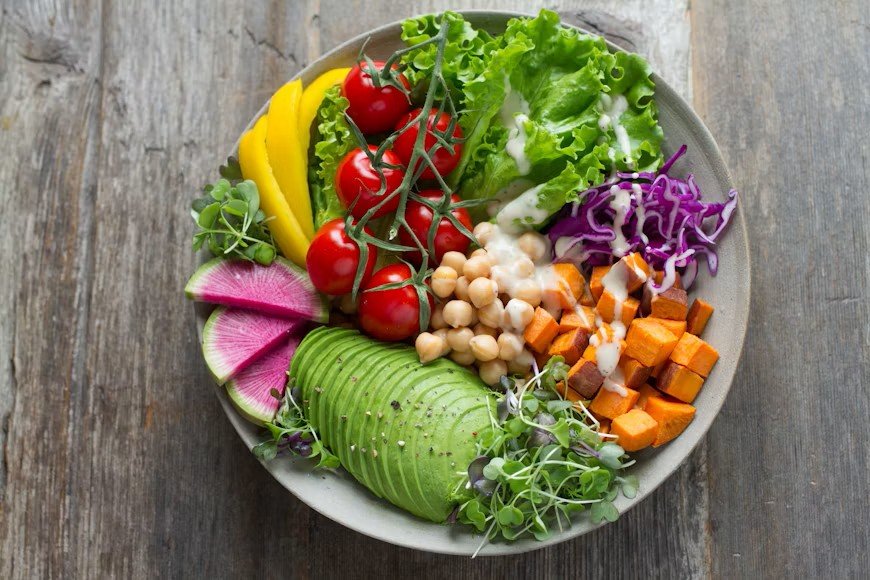
Healthy eating habits with avocado, chickpeas, tomatoes and fresh vegetables

10 Healthy Eating Habits That Can Improve Your Daily Life

Eating healthy does not mean following a strict diet or completely changing your lifestyle overnight. In many cases, the best results come from small, consistent changes that become part of your daily routine.

Healthy eating habits can help support your energy levels, improve your relationship with food, and provide your body with the nutrients it needs to function properly. Simple choices like adding more vegetables to your meals, drinking enough water, and planning your food ahead can make a meaningful difference over time.

In this article, we will explore 10 healthy eating habits that can help you create a more balanced lifestyle. Whether you are trying to improve your nutrition, maintain a healthy weight, or simply feel better every day, these practical tips can help you take the first steps toward better eating habits.

1. Eat More Whole Foods
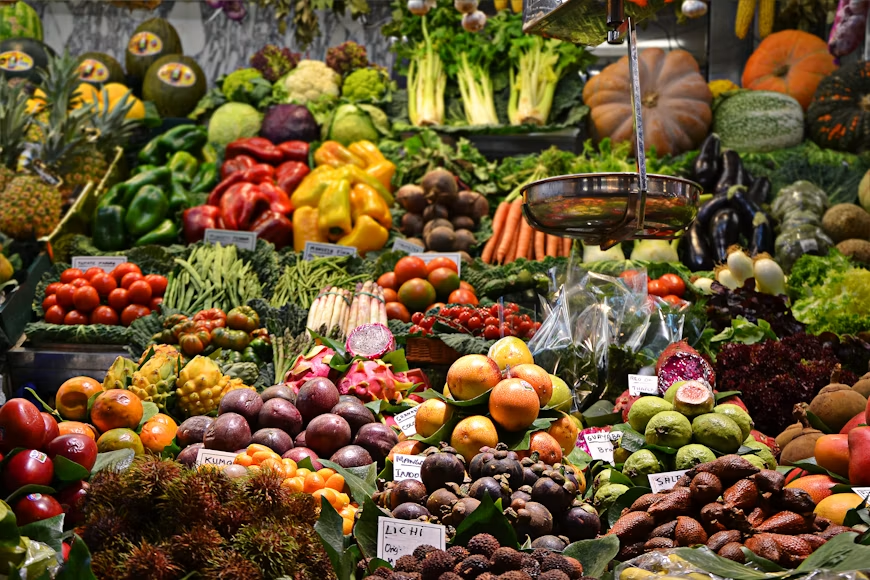
Healthy whole foods including fruits and vegetablesWhole foods are foods that are close to their natural form and have not been heavily processed. They provide important nutrients such as vitamins, minerals, fiber, and antioxidants that support overall health.

Examples of whole foods include fruits, vegetables, whole grains, beans, lentils, nuts, seeds, eggs, fish, and lean meats.

Adding more whole foods to your meals can help you make healthier choices without needing complicated diets. For example, choosing brown rice instead of refined rice, eating fresh fruit instead of sugary snacks, or adding vegetables to your lunch can gradually improve your daily nutrition.

Whole foods can also help you feel more satisfied after meals because many of them contain fiber and nutrients that support fullness. Over time, building meals around natural, nutrient-rich foods can become one of the most effective healthy eating habits for a balanced lifestyle.

Simple ways to include more whole foods in your daily meals include adding vegetables to your breakfast, choosing fruit as a snack, replacing refined grains with whole grains, and preparing more meals at home. These small changes can make healthy eating feel easier and more sustainable over time.

2. Add More Fruits and Vegetables to Your Meals
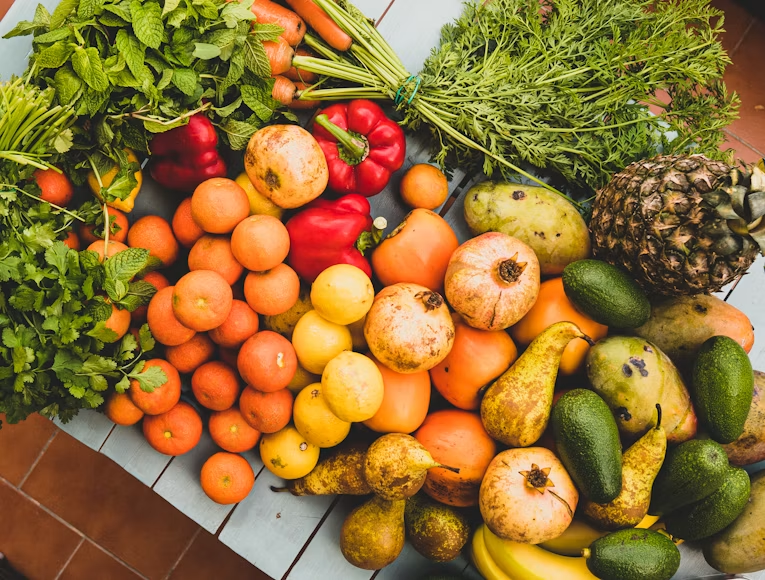
Fresh fruits and vegetables that support healthy eating habitsOne of the most effective healthy eating habits you can develop is adding more fruits and vegetables to your daily meals. These foods are naturally packed with essential nutrients, including vitamins, minerals, fiber, and antioxidants that support your body’s overall health and wellbeing.
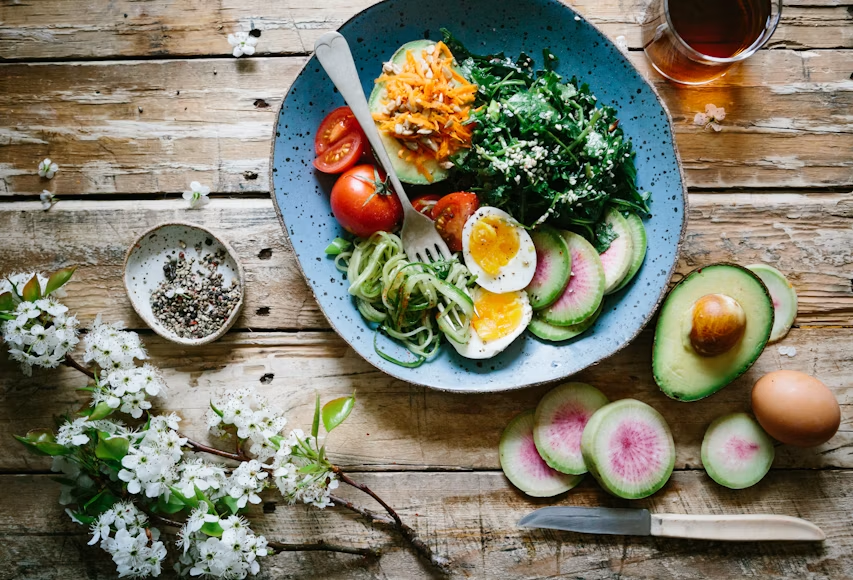
Many people think eating healthier requires completely changing their diet overnight, but small improvements often create the best long-term results. Instead of focusing on removing foods, start by adding more nutritious options to the meals you already enjoy. For example, you can add spinach or tomatoes to your breakfast, include vegetables with your lunch, or keep fresh fruit available for a quick and convenient snack.

Fruits and vegetables can also help make your meals more satisfying. Their fiber and water content can help you feel fuller after eating, which may make it easier to maintain balanced portions and reduce the temptation to choose less nutritious snacks throughout the day.

A useful way to improve your nutrition is to eat a variety of colors when choosing fruits and vegetables. Different colors often provide different beneficial plant compounds. Leafy green vegetables such as spinach and kale provide important nutrients, berries contain powerful antioxidants, and orange vegetables like carrots and sweet potatoes contain nutrients that support healthy vision and normal body function.

Adding more fruits and vegetables does not need to be expensive or complicated. Simple changes can make a big difference, such as adding bananas or berries to oatmeal, mixing vegetables into rice or pasta dishes, preparing a homemade smoothie, or including a side of vegetables with your main meals.

Building this habit gradually can help you create a more balanced eating pattern that is easier to maintain over time. Healthy eating is not about perfection, but about making better choices consistently and giving your body the nutrients it needs.

3. Drink Enough Water Throughout the Day

Drinking enough water is one of the simplest healthy eating habits that can support your overall wellness. Water is essential for many important processes in the body, including digestion, transporting nutrients, regulating body temperature, and maintaining normal energy levels.

Many people do not drink enough water because they wait until they feel thirsty. However, thirst can sometimes be a sign that your body already needs more fluids. Making hydration a regular part of your daily routine can help you feel better and support healthier choices throughout the day.

A simple way to increase your water intake is to make it easier to access. Keep a reusable water bottle nearby, drink a glass of water when you wake up, and make a habit of drinking water before meals. These small actions can gradually turn hydration into a natural daily habit.

Water can also support healthy digestion and help your body process the nutrients from the foods you eat. When you combine good hydration with a balanced diet that includes fruits, vegetables, whole grains, and protein-rich foods, you create a stronger foundation for healthy living.

If you find plain water boring, you can make it more enjoyable by adding natural flavors such as lemon, cucumber, mint, or slices of fresh fruit. Herbal teas and water-rich foods like watermelon, oranges, and cucumbers can also contribute to your daily fluid intake.

The amount of water each person needs can vary depending on factors such as activity level, weather, and individual needs. Instead of focusing only on a specific number, pay attention to your body’s signals and make consistent hydration a priority.

Developing the habit of drinking enough water is a small but powerful step toward better nutrition and a healthier lifestyle.

4. Include Protein-Rich Foods in Your Meals

Adding enough protein to your meals is another important healthy eating habit that can support a balanced diet. Protein is an essential nutrient that helps your body build and repair tissues, maintain muscle, and support many important functions.

Including protein in your meals can also help you feel satisfied after eating. Meals that contain protein, along with fiber-rich foods like vegetables and whole grains, can help you feel satisfied for longer and may make it easier to manage hunger between meals.

There are many different sources of protein that can fit into a healthy eating plan. Animal-based options include foods such as eggs, fish, chicken, lean meats, and yogurt. Plant-based sources include beans, lentils, chickpeas, tofu, nuts, seeds, and other legumes.

A simple way to increase your protein intake is to include a source of protein with each main meal. For breakfast, you could add eggs, Greek yogurt, or nuts. For lunch and dinner, you can include options like grilled chicken, fish, beans, lentils, or tofu alongside vegetables and whole grains.

Protein does not have to make meals complicated or expensive. Affordable foods such as eggs, beans, lentils, and canned fish can provide valuable nutrition while being easy to prepare.

For people who are active or trying to maintain a healthy lifestyle, getting enough protein can be especially helpful because it supports muscle maintenance and recovery. However, a balanced diet should include a variety of nutrients, not just protein alone.

The goal is not to focus on one specific food group but to create meals that provide a combination of protein, healthy carbohydrates, fruits, vegetables, and beneficial fats. Building balanced meals consistently is one of the most effective ways to develop long-term healthy eating habits.

5. Plan and Prepare Your Meals Ahead of Time

Healthy meal prepared with vegetables and balanced ingredients

Planning your meals in advance can make healthy eating much easier, especially on busy days. When you already know what you are going to eat, you are less likely to rely on convenience foods simply because you are tired, hungry, or short on time.

Meal planning does not have to mean preparing an entire week of food at once. It can be as simple as deciding what you will eat for the next few days, making a grocery list, and keeping a few easy ingredients available for quick meals.

Start by choosing foods you already enjoy. For example, you could plan breakfasts around oatmeal, eggs, fruit, or yogurt, prepare simple lunches with vegetables and a protein source, and choose a few balanced dinner ideas for the week.

Preparing some ingredients ahead of time can also save time. You might wash and chop vegetables, cook grains such as brown rice or quinoa, prepare beans or lentils, or portion snacks so they are ready when you need them.

Keeping versatile foods at home can make meal preparation easier as well. Eggs, canned beans, frozen vegetables, whole grains, yogurt, fruit, and canned fish can all be used to create simple meals without requiring complicated recipes.

Meal planning can also help reduce unnecessary food waste because you are shopping with a clearer idea of what you will actually use.

The goal is not to create a perfect meal schedule. A good plan should still allow flexibility for changes in your routine. Even planning a few meals ahead can help you make more intentional food choices and make healthy eating habits easier to maintain over time.

6. Limit Highly Processed Foods and Added Sugars

Highly processed foods can be convenient, but many contain large amounts of added sugar, sodium, or refined ingredients while providing less fiber and fewer nutrients than less processed alternatives. Making them an occasional part of your diet rather than the foundation of your meals can support a more balanced eating pattern.

This does not mean you need to avoid every packaged food. Foods such as frozen vegetables, canned beans, plain yogurt, whole-grain bread, and canned fish can still be useful and nutritious choices. The goal is to pay more attention to products that are heavily refined or contain a long list of added ingredients.

Common examples include sugary drinks, sweets, pastries, some packaged snacks, and certain fast foods. Eating these foods occasionally can fit into a balanced lifestyle, but relying on them frequently may make it harder to get enough fruits, vegetables, whole grains, protein, and fiber.

One simple strategy is to make healthier swaps instead of trying to remove everything at once. For example, you could choose water instead of a sugary drink, fruit instead of candy for some snacks, or plain yogurt with fresh fruit instead of a heavily sweetened dessert.

Reading food labels can also help you compare products. Pay attention to serving sizes, added sugars, sodium, fiber, and the overall ingredient list rather than focusing on a single number.

Healthy eating habits are easier to maintain when they are realistic. You do not need a perfect diet. Focusing most of your meals on nutrient-rich foods while leaving room for occasional treats can create a more flexible and sustainable approach to eating.

7. Practice Mindful Eating and Pay Attention to Hunger Cues

Mindful eating means paying closer attention to what, when, and how you eat instead of rushing through meals or eating automatically. It can help you become more aware of hunger, fullness, taste, and the habits that influence your food choices.

One simple way to practice mindful eating is to slow down during meals. Take time to chew your food, notice the flavors and textures, and give yourself a chance to recognize when you are becoming satisfied. Eating more slowly may make it easier to notice fullness before you feel overly full.

It can also help to reduce distractions when possible. Eating while watching television, scrolling on your phone, or working can make it harder to notice how much you have eaten. You do not need every meal to be distraction-free, but regularly giving your food more attention can help build awareness.

Try to notice the difference between physical hunger and eating for other reasons, such as boredom, stress, habit, or convenience. Physical hunger often develops gradually, while cravings or emotional urges can appear more suddenly. Neither experience needs to be judged, but recognizing the difference can help you make more intentional choices.

It is also important to pay attention to fullness. You do not have to finish everything on your plate simply because it is there. If you feel comfortably satisfied, you can stop eating and save the rest for later.

Mindful eating is not a diet and does not require strict rules. It is simply a way of becoming more aware of your body’s signals and your relationship with food. Over time, this awareness can support healthier eating habits and make meals feel more enjoyable and balanced.

8. Pay Attention to Portion Sizes

Paying attention to portion sizes can help you build more balanced meals without needing to count every calorie or follow strict food rules. The goal is not to eat as little as possible, but to become more aware of how much food feels satisfying for you.

Portion needs can vary from person to person depending on factors such as age, activity level, appetite, and overall lifestyle. Because of this, there is no single portion size that works perfectly for everyone.

A simple place to start is by building balanced meals. You can include vegetables or fruit, a source of protein, whole grains or another carbohydrate source, and a small amount of healthy fats. This approach can make meals more varied and satisfying.

It can also help to serve food on a plate or in a bowl rather than eating directly from a large package. This makes it easier to see how much you are eating and decide whether you are still hungry before taking more.

Try eating slowly and checking in with yourself during the meal. If you are comfortably satisfied, you may not need another serving. If you are still genuinely hungry, it is completely reasonable to eat more.

Restaurant meals and packaged foods can sometimes contain larger portions than you would normally serve at home. You can choose to save part of the meal for later or share it if that feels appropriate.

Healthy eating habits should support a balanced relationship with food, not create unnecessary restriction. Becoming more aware of portion sizes can help you make intentional choices while still enjoying the foods you like.

9. Include Sources of Unsaturated Fats

Fat is an important part of a balanced diet. Your body needs dietary fat for energy, cell function, and the absorption of certain vitamins. The type of fat you choose regularly can be just as important as the amount you eat.

A practical healthy eating habit is to include more foods that provide unsaturated fats. Examples include nuts, seeds, avocados, olive oil, and oily fish such as salmon, sardines, and mackerel.

You can make simple changes without completely changing your meals. For example, you might add a small handful of nuts or seeds to oatmeal, use avocado in a sandwich, cook with olive oil, or include fish as one of your protein choices during the week.

At the same time, it can be helpful to limit foods that are especially high in saturated fat, such as some fried foods, fatty processed meats, and certain baked goods. This does not mean these foods must be completely avoided. The overall pattern of your diet matters more than any single food.

Portion awareness is still useful because fats are energy-dense. A small amount of nuts, seeds, oil, or avocado can add flavor and nutrients to a meal without needing to become the largest part of the plate.

Rather than thinking of fat as something that should always be avoided, focus on choosing nutritious sources more often and combining them with vegetables, fruits, whole grains, and protein-rich foods.

Making these choices consistently can help create a varied and balanced eating pattern without unnecessary food restrictions.

10. Focus on Consistency, Not Perfection

Healthy eating does not require you to make perfect choices every day. In fact, trying to follow an overly strict diet can make healthy habits harder to maintain over time.

A more realistic approach is to focus on consistency. This means making nutritious choices most of the time while still allowing yourself flexibility for social events, celebrations, travel, and the foods you simply enjoy.

One less nutritious meal will not undo your progress, just as one healthy meal will not transform your diet overnight. What matters most is the overall pattern of your eating habits over days, weeks, and months.

Instead of labeling foods as completely “good” or “bad,” try to think about balance. You can enjoy a dessert, takeaway meal, or favorite snack while still eating plenty of fruits, vegetables, whole grains, protein-rich foods, and other nutritious options throughout the week.

It can also help to make changes gradually. Trying to change everything at once may feel overwhelming, while focusing on one or two habits at a time can make healthy eating feel more manageable. Once a new habit becomes part of your routine, you can build on it.

If you have a day when your eating does not go as planned, simply return to your usual routine at the next meal. There is no need to compensate by skipping meals or following extreme restrictions.

The most sustainable healthy eating habits are the ones that fit naturally into your lifestyle. By aiming for progress rather than perfection, you can build a balanced way of eating that feels realistic, flexible, and easier to maintain in the long term.

Frequently Asked Questions About Healthy Eating Habits

What are the most important healthy eating habits?

Some of the most useful healthy eating habits include eating a variety of fruits and vegetables, choosing whole foods more often, including protein-rich foods in meals, drinking enough water, planning meals ahead, and paying attention to hunger and fullness cues. You do not need to change everything at once. Small improvements that you can maintain are usually more practical than strict short-term diets.

How can I start eating healthier?

Start with one or two simple changes. For example, add a vegetable to one meal each day, replace a sugary drink with water, or plan your meals before grocery shopping. Once those habits feel natural, you can gradually add new ones.

Do I have to give up my favorite foods to eat healthy?

No. A balanced eating pattern can include foods you enjoy. Rather than completely banning certain foods, focus on making nutritious foods the foundation of your diet while enjoying less nutritious choices occasionally and in reasonable amounts.

How long does it take to develop healthy eating habits?

There is no exact amount of time that applies to everyone. Building healthy eating habits depends on your routine, environment, goals, and the changes you are making. Instead of focusing on a deadline, aim to make small changes consistently until they become part of your normal routine.

Scroll to Top