
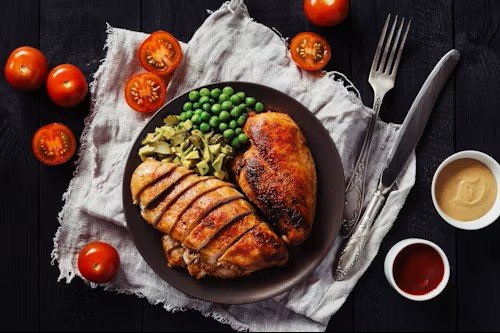
Finding meals that are high in protein without becoming high in calories can make meal planning much easier.
These high protein meals under 500 calories combine lean protein with vegetables, legumes, whole grains, and other nutrient-dense ingredients. Each meal provides an estimated 30 grams or more of protein while remaining below approximately 500 calories per serving.
That does not mean eating a meal under 500 calories automatically causes weight loss. Weight management depends on your overall eating pattern, activity, sleep, health, medications, and individual energy needs. The Centers for Disease Control and Prevention (CDC) recommends approaching weight management through sustainable eating, physical activity, adequate sleep, and realistic lifestyle habits rather than relying on a single food or meal.
If you’re looking for filling, practical meals that can fit into a calorie-conscious eating plan, start with these 20 ideas.
Quick Comparison: 20 High Protein Meals Under 500 Calories
The nutrition figures below are estimates based on typical portions. Exact calories and protein will vary according to brands, cooking methods, and serving sizes.
| Meal | Approx. Calories | Approx. Protein | Prep Time |
|---|---|---|---|
| Chicken quinoa vegetable bowl | 390 | 42g | 20 min |
| Turkey taco lettuce bowl | 420 | 38g | 20 min |
| Garlic shrimp edamame bowl | 390 | 42g | 15 min |
| Salmon, asparagus and potatoes | 450 | 31g | 25 min |
| Chicken fajita bowl | 430 | 43g | 20 min |
| Tuna chickpea crunch salad | 430 | 38g | 10 min |
| Turkey meatballs with spaghetti squash | 440 | 36g | 30 min |
| Tofu edamame vegetable stir-fry | 470 | 31g | 20 min |
| Chicken lentil soup | 410 | 43g | 30 min |
| Cod couscous vegetable plate | 420 | 40g | 25 min |
| Buffalo chicken baked potato | 420 | 42g | 20 min |
| Greek yogurt chicken salad wrap | 430 | 45g | 10 min |
| Egg white vegetable omelet | 390 | 38g | 15 min |
| Lentil pasta with turkey marinara | 450 | 36g | 25 min |
| Beef and broccoli cauliflower rice | 460 | 38g | 20 min |
| White bean chicken chili | 430 | 46g | 30 min |
| Spicy tuna edamame rice bowl | 430 | 38g | 10 min |
| Turkey stuffed pepper | 440 | 34g | 35 min |
| Chicken avocado black bean salad | 450 | 42g | 15 min |
| Shrimp tacos with lime yogurt slaw | 460 | 36g | 20 min |
What Counts as a High-Protein Meal?
There is no single official definition that every meal must meet to be called high protein.
For this article, Mavo Health uses a practical editorial benchmark of approximately 30 grams or more of protein per serving.
This is not a recommendation that everyone needs 30 grams at every meal. Individual protein requirements differ based on factors such as age, body size, activity level, and health status.
According to USDA MyPlate, protein foods can include seafood, lean meat, poultry, eggs, beans, peas, lentils, nuts, seeds, tofu, tempeh, and other soy foods. Eating a variety of protein sources can help create a more balanced diet.
Can Meals Under 500 Calories Support Weight Loss?
They can fit into a weight-loss eating pattern, but the number 500 is not magical.
Weight loss generally requires your overall energy intake to be appropriate for your individual needs. One meal under 500 calories cannot compensate for the rest of your day’s food intake, and eating three 500-calorie meals does not mean 1,500 calories is appropriate for everyone.
Daily energy needs differ substantially from one person to another.
The CDC’s healthy eating guidance recommends an eating pattern that includes a variety of nutritious foods rather than depending on extreme restriction or eliminating entire food groups.
The Dietary Guidelines for Americans also emphasize nutrient-dense foods such as vegetables, fruits, whole grains, and varied protein foods as part of a healthy eating pattern.
1. Chicken Quinoa Vegetable Bowl
A chicken quinoa bowl gives you lean protein, whole grains, and vegetables in one simple meal.
Ingredients
- 4 ounces cooked chicken breast
- 1/2 cup cooked quinoa
- 1 cup roasted broccoli, zucchini, or bell peppers
- 2 tablespoons tzatziki
- Lemon juice
- Black pepper and herbs
How to Make It
Add the quinoa and vegetables to a bowl, top with sliced grilled chicken, and finish with tzatziki, lemon, and herbs.
Estimated nutrition: about 390 calories and 42g protein.
For meal prep, cook several chicken breasts and a batch of quinoa at the beginning of the week.
2. Turkey Taco Lettuce Bowl
This gives you the flavor of tacos without needing a large tortilla or heavy toppings.
Ingredients
- 5 ounces lean ground turkey
- 1/2 cup black beans
- Chopped lettuce
- Tomato
- Salsa
- 2 tablespoons plain Greek yogurt
- Taco seasoning
How to Make It
Brown the turkey with taco seasoning. Add lettuce, beans, tomato, and salsa to a bowl and top with the turkey and Greek yogurt.
Estimated nutrition: approximately 420 calories and 38g protein.
Beans also provide dietary fiber, making the meal more substantial.
3. Garlic Shrimp and Edamame Cauliflower Rice Bowl
Shrimp cooks quickly, making this useful for busy evenings.
Ingredients
- 6 ounces shrimp
- 1/2 cup shelled edamame
- 1 1/2 cups cauliflower rice
- Mixed vegetables
- 1 teaspoon olive oil
- Garlic
- Low-sodium soy sauce or tamari
How to Make It
Cook the shrimp with garlic and olive oil. Add the vegetables and edamame, then serve over warmed cauliflower rice.
Estimated nutrition: around 390 calories and 42g protein.
4. Salmon With Asparagus and Baby Potatoes
You do not need to avoid potatoes to keep a meal under 500 calories. Portion size matters more than eliminating entire food groups.
Ingredients
- 4 ounces salmon
- 150g baby potatoes
- 1 to 2 cups asparagus
- 1 teaspoon olive oil
- Lemon
- Garlic
- Black pepper
How to Make It
Roast the potatoes until almost tender. Add the salmon and asparagus and continue roasting until cooked.
Estimated nutrition: approximately 450 calories and 31g protein.
5. Chicken Fajita Bowl
This is an easy way to turn fajita ingredients into a balanced bowl.
Ingredients
- 4 ounces chicken breast
- 1/3 cup cooked brown rice
- 1/4 cup black beans
- Bell peppers
- Onion
- Salsa
- 2 tablespoons Greek yogurt
- Fajita seasoning
How to Make It
Cook the chicken with sliced peppers, onions, and seasoning. Serve over rice and beans and finish with salsa and yogurt.
Estimated nutrition: about 430 calories and 43g protein.
6. Tuna Chickpea Crunch Salad
Tuna and chickpeas work well together because one provides concentrated protein while the other contributes both protein and fiber.
Ingredients
- 5 ounces tuna packed in water
- 1/2 cup chickpeas
- Cucumber
- Tomato
- Celery
- Mixed greens
- Greek yogurt and lemon dressing
- 1 slice whole-grain toast
How to Make It
Combine the drained tuna, chickpeas, and chopped vegetables. Toss with the yogurt dressing and serve with toast.
Estimated nutrition: approximately 430 calories and 38g protein.
7. Turkey Meatballs With Spaghetti Squash
Using spaghetti squash creates a large serving of vegetables while leaving room for turkey meatballs and sauce.
Ingredients
- Lean turkey meatballs
- 2 cups cooked spaghetti squash
- 1/2 cup marinara sauce
- 1 tablespoon Parmesan
- Italian herbs
How to Make It
Bake or pan-cook the turkey meatballs. Warm the spaghetti squash and marinara, then combine and sprinkle with Parmesan.
Estimated nutrition: about 440 calories and 36g protein.
8. Tofu Edamame Vegetable Stir-Fry
Not every high-protein meal has to contain meat.
Ingredients
- 6 ounces firm tofu
- 1/2 cup shelled edamame
- Broccoli
- Bell pepper
- Mushrooms
- Cauliflower rice
- 1 teaspoon sesame or olive oil
- Low-sodium soy sauce
How to Make It
Brown the tofu, add the vegetables and edamame, and cook until tender. Serve with cauliflower rice.
Estimated nutrition: approximately 470 calories and 31g protein.
9. Chicken Lentil Soup
Chicken and lentils make this much higher in protein than a typical vegetable soup.
Ingredients
- 4 ounces cooked shredded chicken
- 1/2 cup cooked lentils
- Carrots
- Celery
- Tomatoes
- Spinach
- Low-sodium broth
- Herbs
How to Make It
Combine everything in a saucepan and simmer until the vegetables are tender and the flavors come together.
Estimated nutrition: about 410 calories and 43g protein.
This is also a good meal-prep option because soup can be portioned and refrigerated for several days.
10. Cod With Couscous and Roasted Vegetables
Cod is a relatively lean protein source that works well when you want room for grains and vegetables.
Ingredients
- 6 ounces cod
- 1/2 cup cooked couscous
- Zucchini
- Tomatoes
- Broccoli
- 1 teaspoon olive oil
- Lemon and herbs
How to Make It
Bake the cod with lemon and seasoning. Serve alongside couscous and roasted vegetables.
Estimated nutrition: approximately 420 calories and 40g protein.
11. Buffalo Chicken Baked Potato
A baked potato can work in a calorie-conscious meal when toppings are kept reasonable.
Ingredients
- 4 ounces shredded chicken breast
- 1 small baked potato
- Buffalo sauce
- 1/4 cup plain Greek yogurt
- Chopped celery or green onions
- Mixed salad on the side
How to Make It
Split the potato, add the chicken and buffalo sauce, and finish with Greek yogurt.
Estimated nutrition: about 420 calories and 42g protein.
12. Greek Yogurt Chicken Salad Wrap
Greek yogurt can replace some or all of the mayonnaise traditionally used in chicken salad.
Ingredients
- 4 ounces cooked chicken breast
- 1/3 cup Greek yogurt
- Celery
- Chopped grapes or apple
- Lettuce
- Whole-wheat tortilla
- Black pepper
How to Make It
Mix the chicken with yogurt, celery, and fruit. Add it to the tortilla with lettuce and roll tightly.
Estimated nutrition: approximately 430 calories and 45g protein.
13. Egg White Vegetable Omelet With Turkey Sausage
Egg whites provide concentrated protein while vegetables increase the volume of the meal.
Ingredients
- 1 cup egg whites
- Spinach
- Mushrooms
- Bell peppers
- 2 small turkey sausage links
- Small amount of reduced-fat cheese
How to Make It
Cook the vegetables, add the egg whites, and cook until set. Fold in the cheese and serve with turkey sausage.
Estimated nutrition: about 390 calories and 38g protein.
14. Lentil Pasta With Turkey Marinara
Legume-based pasta can contribute more protein and fiber than conventional refined pasta.
Ingredients
- 2 ounces dry lentil or chickpea pasta
- 3 ounces lean ground turkey
- 1/2 cup marinara sauce
- Spinach
- Small amount of Parmesan
How to Make It
Cook the pasta. Brown the turkey, stir in the marinara and spinach, then combine everything.
Estimated nutrition: approximately 450 calories and 36g protein.
15. Lean Beef and Broccoli With Cauliflower Rice
Choose a lean cut of beef and let broccoli and cauliflower rice provide most of the volume.
Ingredients
- 5 ounces lean beef
- 1 1/2 cups broccoli
- 1 cup cauliflower rice
- Garlic
- Ginger
- Low-sodium soy sauce
- 1 teaspoon oil
How to Make It
Cook the beef in a hot skillet, add broccoli and seasonings, and serve with cauliflower rice.
Estimated nutrition: approximately 460 calories and 38g protein.
16. White Bean Chicken Chili
Chicken chili combines lean protein with fiber-rich beans.
Ingredients
- 4 ounces cooked chicken breast
- 1/2 cup white beans
- Green chilies
- Onion
- Low-sodium chicken broth
- Spices
- Small spoonful of Greek yogurt
How to Make It
Combine the ingredients in a saucepan and simmer for 20 to 25 minutes.
Estimated nutrition: around 430 calories and 46g protein.
If you’re trying to eat more fiber alongside protein, read Mavo Health’s 25 High Fiber Foods for Better Digestion and Gut Health.
17. Spicy Tuna Edamame Rice Bowl
This is useful when you want something fast without cooking meat.
Ingredients
- 5 ounces tuna packed in water
- 1/2 cup cooked rice
- 1/2 cup shelled edamame
- Cucumber
- Carrot
- Sriracha
- Small amount of light mayonnaise or Greek yogurt
How to Make It
Add the rice, vegetables, and edamame to a bowl. Mix tuna with your sauce and spoon it over the top.
Estimated nutrition: approximately 430 calories and 38g protein.
18. Turkey Stuffed Pepper
Bell peppers make a convenient edible container for a balanced filling.
Ingredients
- 1 large bell pepper
- 4 ounces lean ground turkey
- 1/3 cup cooked rice
- 1/4 cup black beans
- Tomato sauce
- Small amount of shredded cheese
How to Make It
Cook the turkey, then combine it with rice, beans, and tomato sauce. Fill the pepper and bake until tender.
Estimated nutrition: around 440 calories and 34g protein.
19. Chicken Avocado Black Bean Salad
This salad includes protein, fiber, and healthy fats while staying below 500 calories with sensible portions.
Ingredients
- 4 ounces grilled chicken breast
- Mixed greens
- 1/4 avocado
- 1/4 cup black beans
- Tomato
- Cucumber
- Lime juice
- Light dressing
How to Make It
Add the vegetables and beans to a bowl, top with sliced chicken and avocado, and finish with dressing.
Estimated nutrition: approximately 450 calories and 42g protein.
20. Shrimp Tacos With Lime Yogurt Slaw
Shrimp tacos can stay surprisingly light when you use corn tortillas and a yogurt-based sauce.
Ingredients
- 5 ounces shrimp
- 3 small corn tortillas
- Shredded cabbage
- 1/4 avocado
- Plain Greek yogurt
- Lime juice
- Cilantro
- Salsa
How to Make It
Season and cook the shrimp. Mix yogurt, lime, and cabbage to make the slaw. Divide everything between the tortillas.
Estimated nutrition: approximately 460 calories and 36g protein.
Once you understand how high protein meals under 500 calories are structured, it becomes easier to create your own combinations at home.
How to Build Your Own High Protein Meal Under 500 Calories
Once you understand the basic structure, you do not need to follow a recipe every time.
Start with a lean or protein-rich base such as chicken breast, turkey, fish, shrimp, eggs, egg whites, tuna, tofu, tempeh, beans, lentils, or Greek yogurt.
Then add plenty of vegetables, followed by a sensible portion of grains, potatoes, beans, or another carbohydrate source.
Finally, add foods such as avocado, nuts, cheese, dressing, or oil in moderate portions. These foods can still be part of a nutritious diet, but their calories can add up quickly when portions become large.
A practical formula is:
Protein + vegetables + controlled carbohydrate portion + small amount of fat or sauce
For example:
- Chicken + broccoli + quinoa + yogurt sauce
- Shrimp + vegetables + rice + avocado
- Tofu + edamame + vegetables + cauliflower rice
Tips for Keeping High-Protein Meals Below 500 Calories
Choose lean protein more often when you want to keep calories moderate. Chicken breast, turkey breast, shrimp, white fish, tuna, egg whites, and some lower-fat dairy products make it easier to increase protein without using a large portion of your calorie budget.
Measure oils and creamy sauces rather than pouring them freely. One or two extra tablespoons can meaningfully change the calorie total.
Use vegetables for volume. Broccoli, peppers, leafy greens, zucchini, cauliflower, mushrooms, cabbage, and tomatoes can make a meal physically larger without requiring very large calorie additions.
You can also combine animal and plant proteins, such as chicken with lentils or turkey with beans, to add variety and fiber.
For more guidance on choosing protein foods, see the USDA MyPlate Protein Foods guide.
How These Meals Can Fit Into a Weight-Loss Plan
A meal being under 500 calories does not automatically make it a weight-loss food.
Instead, meals like these may be useful because they give you more control over portions while still providing substantial protein.
Weight management depends on the full picture. The CDC notes that nutrition, physical activity, sleep, stress, health conditions, medications, age, and other factors can all influence weight management.
If you’re looking for a structured weekly plan, read Mavo Health’s 7-Day Healthy Meal Plan for Weight Loss.
Frequently Asked Questions
What meals are high in protein but low in calories?
Meals based around lean chicken, turkey, fish, shrimp, tuna, egg whites, lower-fat dairy, tofu, and legumes can provide substantial protein without becoming extremely high in calories.
The rest of the meal also matters. Vegetables, whole grains, and moderate portions of fats and sauces can help create a balanced plate.
Is 500 calories a lot for one meal?
Whether 500 calories is appropriate for a meal depends on your total daily energy needs, meal frequency, activity level, and personal circumstances.
Some people may need larger meals and others smaller ones.
Do not assume that three meals under 500 calories automatically create an appropriate daily diet.
How much protein should a high-protein meal contain?
There is no universal amount that officially defines every high-protein meal.
For this article, we used 30 grams or more per serving as a practical editorial benchmark.
Your individual needs may be higher or lower.
Are high protein meals good for weight loss?
Higher-protein meals can be part of a weight-management eating pattern, particularly when they replace less nutrient-dense options and fit your overall energy needs.
However, weight loss depends on your overall eating pattern rather than protein alone.
What are good vegetarian high-protein meals under 500 calories?
Options include tofu and edamame stir-fry, lentil bowls, tempeh meals, bean-based dishes, lentil pasta, and meals combining legumes with Greek yogurt, cottage cheese, or eggs if those foods fit your diet.
Can I meal prep these recipes?
Yes. Chicken bowls, turkey taco bowls, chicken lentil soup, white bean chicken chili, stuffed peppers, and lentil pasta are particularly convenient for meal prep.
Store cooked foods safely and follow appropriate refrigeration and reheating guidance.
The Bottom Line
These high protein meals under 500 calories show that calorie-conscious meals do not need to consist of tiny portions or plain salads.
Chicken bowls, shrimp tacos, salmon plates, turkey chili, tofu stir-fries, lentil dishes, and other balanced meals can provide plenty of protein while remaining below approximately 500 calories when portions are planned carefully.
The goal is not to eat as little as possible.
Instead, focus on meals that give you useful amounts of protein, vegetables, fiber-rich foods, and other nutrients while fitting your individual energy needs.
If weight loss is your goal, use meals like these as part of an overall eating pattern you can realistically maintain.
Sources
Centers for Disease Control and Prevention – Steps for Losing Weight
Centers for Disease Control and Prevention – Healthy Eating for a Healthy Weight
USDA MyPlate – Protein Foods
Dietary Guidelines for Americans
Nutrition values in this article are estimates and may vary based on ingredient brands, serving sizes, cooking methods, and substitutions. This content is for general informational purposes and is not a substitute for personalized medical or nutrition advice.